Individual animal identification can add another layer of detail to cattle management.
When producers need to know more about an individual animal, Electronic Identification (EID) tags help connect that animal to information collected during processing. Weights, treatments, diagnoses and other records can be tied to an animal’s EID as it moves through the chute.
When EID is integrated with cattle management software, those records become part of the animal’s digital history while still fitting into the larger picture of pen, group and operation-level data.
Understanding how EID tags work, the differences between LF and UHF technology, and how EID can fit into cattle management can help producers determine what makes sense for their operation.
EID Tags: LF vs. UHF
EID tags typically use either low-frequency (LF) or ultrahigh-frequency (UHF) technology. Both provide electronic identification, but they communicate with readers differently.
LF tags are typically read at close range with a handheld reader or wand. UHF tags can be read from a greater distance and can support systems that identify multiple animals as they move through a reading area.
Which technology an operation uses depends on the tags, readers and processing setup. When choosing cattle management software, it’s important to ensure its compatibility with EID technology and equipment being used.
From the Chute to the Animal Record
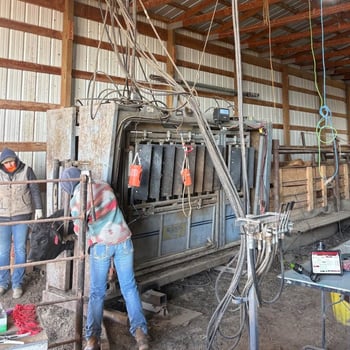
Cattle processing is one of the primary times individual animal identification comes into play. An EID reader can identify an animal as it enters the chute, allowing information collected during processing to be associated with that animal.
For cattle producer Kenny Hofer of Alberta Canada, using EID helps simplify that process by connecting an animal’s visual and electronic identification.
“We can correlate a visual tag with an EID tag,” Kenny says. “That speeds up processing because you don’t have to type that visual tag in. You just scan your EID tag and you’re done.”
Performance Beef supports both LF and UHF EID technology through its Processing App. Compatible EID readers can be used to identify animals while processing information is recorded. The Processing App can also be used without an internet connection with information syncing once connectivity is restored.
Connecting EID to processing records can also keep health information tied to the individual animal. Performance Beef includes individual animal health records with information such as treatments, withdrawal periods, average daily gain and diagnoses. Health information can also be reviewed across pens and groups.
For Kenny, having that history available provides another layer of information when evaluating cattle health.
“It gives us an idea of whether an animal is responding to certain vaccines or not,” Kenny says. “We can identify if an animal has been treated multiple times already and make decisions based on that.”
Connecting Individual and Group Data
Not every part of cattle management requires individual animal identification. Feeding, bunk management, inventory and other routine activities are often managed by pen, group or operation. EID comes into play when information needs to be connected to a specific animal.
Cattle management software can bring both types of information together, allowing producers to maintain individual animal records while continuing to manage cattle at the pen or group level.
For Brenton Brothers of Grimes, Iowa, accurate individual animal information also supports decisions beyond processing. Emily Fox, assistant manager at Brenton Brothers, says the data helps guide decisions about where cattle go and how they are marketed.
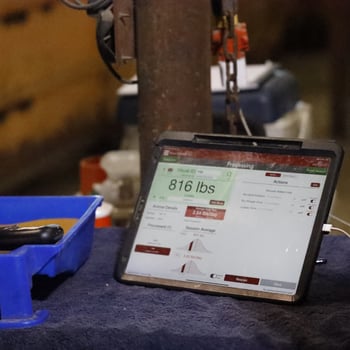
“Knowing we’ve got accurate data down to the individual animal helps us decide where we want to send cattle and how to market them, whether that's on a grid or live basis,” Emily says.
Making Information Available to the Right People
Cattle management often involves more than one person. Employees may handle daily tasks, while owners, nutritionists or other advisers may review records and help with management decisions.
Performance Beef allows producers to share account access with trusted advisers and customize permissions. Its Consultant Portal gives advisers access to customer information based on the permissions provided.
Keeping records in one system gives the people involved in an operation access to the information relevant to their role.
Making Individual Animal Data More Useful
EID is one piece of a larger cattle management system. The value comes from being able to capture individual animal information and have it available alongside the rest of the operation’s records.
Bryan Moes of Moes Feedlot near Florence, South Dakota, saw a difference when performance information became available sooner after processing.
“We used to work these cattle, and it wasn’t until hours or days later that we’d see, whoa, this calf only gained 1.1 pounds per day,” Bryan says. “Now, it’s right there right away.”
For operations using EID, the goal isn't simply to collect more information. It's to make individual animal data easier to capture, easier to access and more useful when it's time to make management decisions.
Frequently asked questions
What does EID stand for in cattle? EID stands for Electronic Identification. EID tags provide individual cattle with an electronic identification that can be read using compatible equipment.
What is the difference between LF and UHF EID tags? LF stands for low frequency and UHF stands for ultrahigh frequency. LF tags are generally read at close range, while UHF tags can be read from farther away and can support systems designed to read multiple animals.
How are EID tags used in feedlots? EID tags can be used during cattle processing to identify individual animals and associate information such as weights, treatments and diagnoses with their records.
Can EID be connected to cattle health records? Yes. Compatible cattle management software can use an animal’s EID to associate health information with that animal’s individual record.
Does Performance Beef support EID tags? Performance Beef supports both LF and UHF EID technology. Its Processing App can be used with compatible EID readers to identify individual animals and record processing information.
Is EID used for every part of cattle management? No. EID is used when individual animal identification is needed. Other activities, such as feeding and bunk management, can be recorded at the pen, group or operation level.
CHECK OUT PERFORMANCE BEEF FOR YOURSELF
Our digital demo walks you through popular functions in our app, helping you visualize how it can easily become part of your day-to-day tasks.
